Words that touch a child’s heart can endure for generations. The work of Adibay Tabyldy, who devoted his life to Kazakh children’s literature, teaching, and cultural education, is a testament to this.
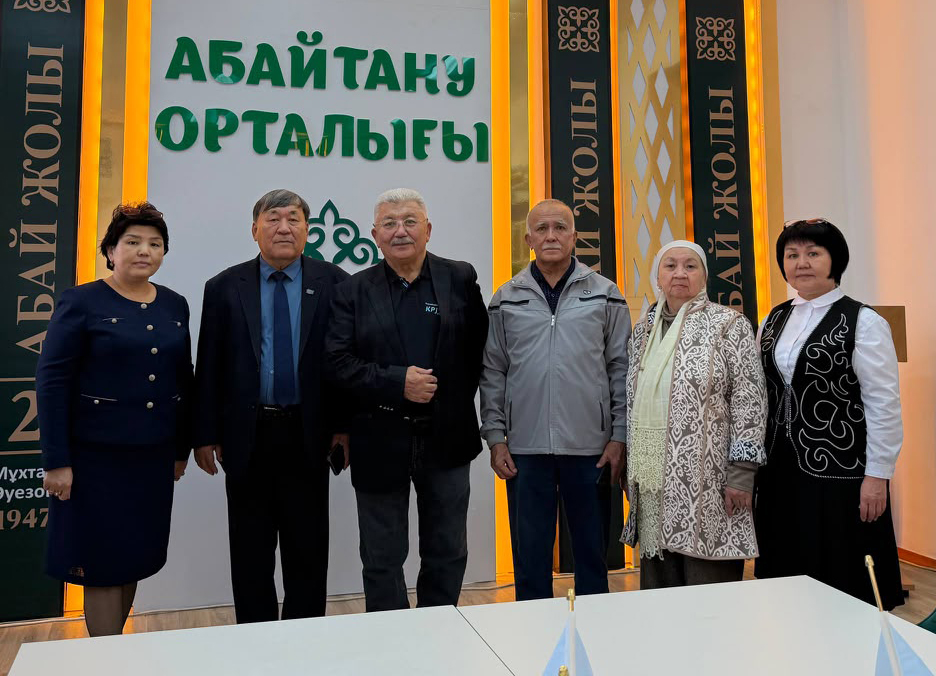
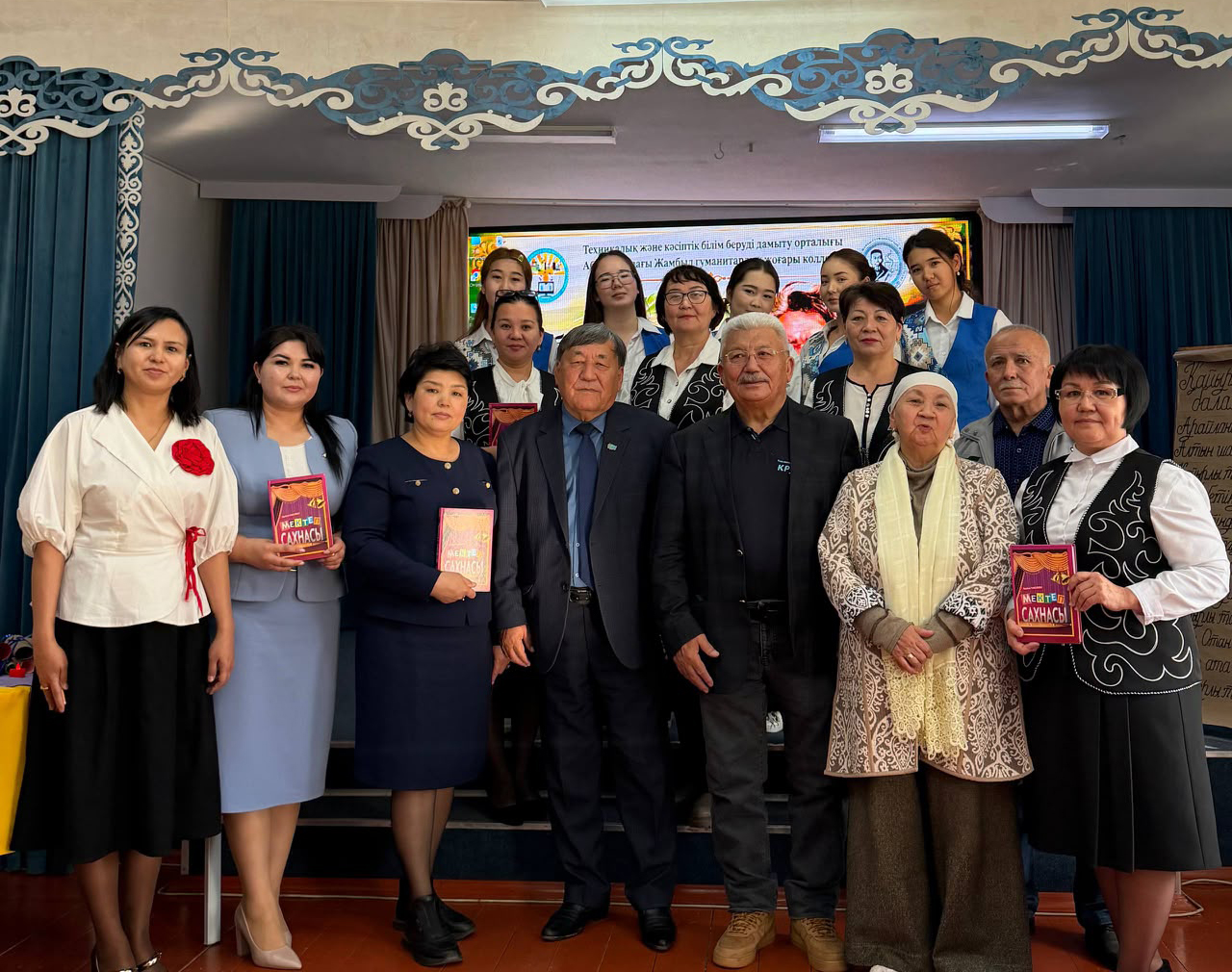
On November 20, Abai Zhambyl Higher Humanitarian College hosted a regional literary and educational evening titled “Adibay Tabyldy: A Writer Who Found His Way into Children’s Hearts” to mark the 100th anniversary of the writer’s birth.
The event aimed to introduce the younger generation to his literary and pedagogical legacy and highlight his contribution to the development of children’s literature and the preservation of national values. The evening opened with a theatrical performance and the traditional Shashu dance. A video introduced the guests to the writer’s life and career.
Students delivered expressive readings of his poems and monologues from the collection Ustaz Talimi (“A Teacher’s Guidance”). Their performances conveyed the author’s love for children and his deep understanding of a teacher’s responsibility. One of the most touching moments of the evening was a conversation titled “Grandpa Adibay in Our Family,” featuring personal memories.
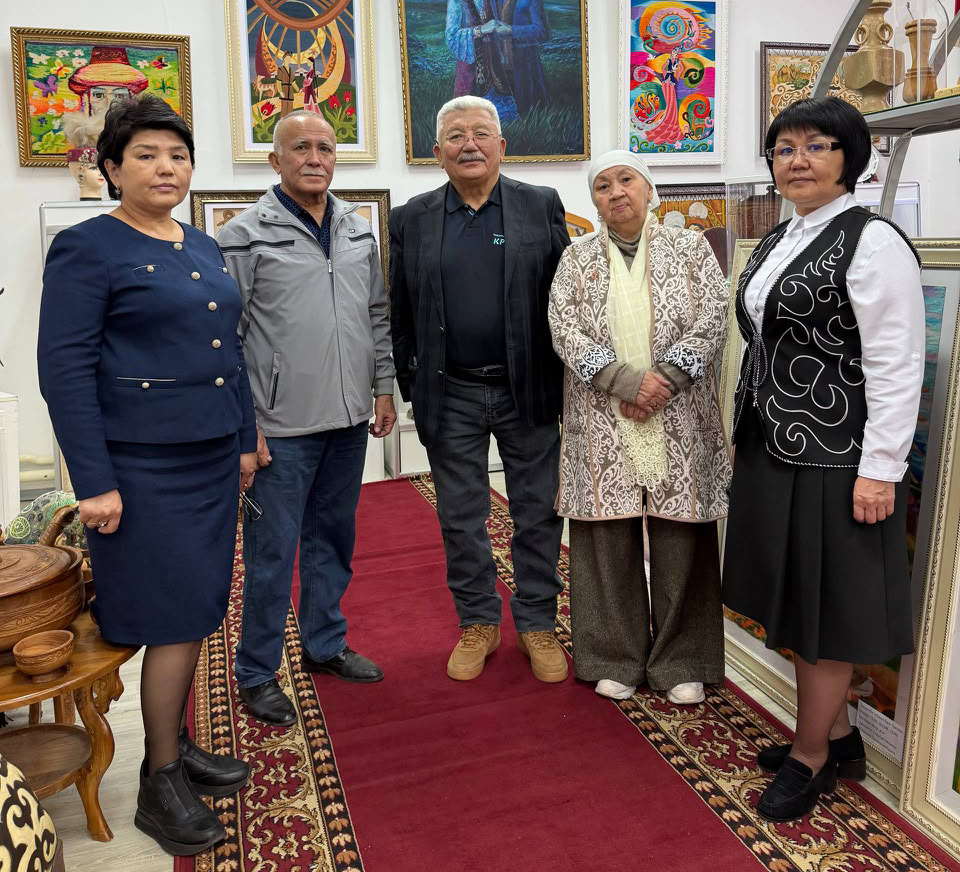
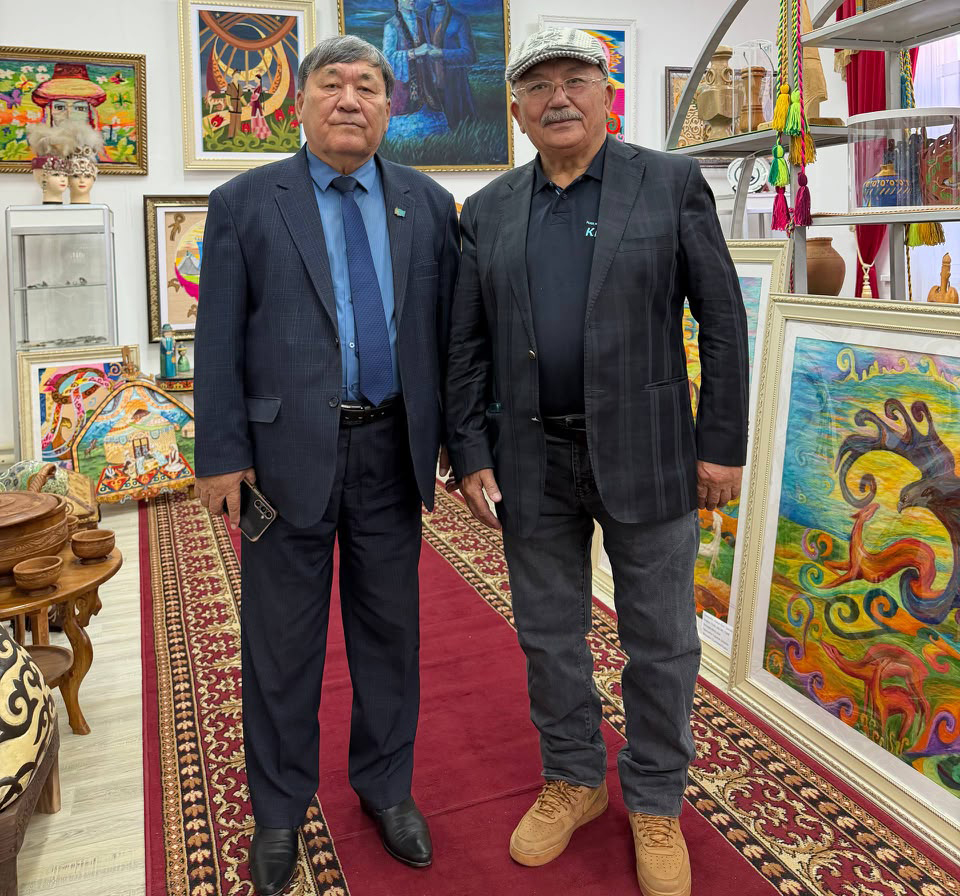
The writer’s son, Bakytzhan Adibayuly, his daughter-in-law, Urzhamal Abdullakazhykyzy, and Orynbasar Zhaksybayuly shared their personal recollections of him. Professor Mendibay Abiluly spoke about the significance of Adibay Tabyldy’s work in children’s literature and education. Special attention was given to the writer’s works on national upbringing and cultural traditions.
A book exhibition organized by the staff of the Zhambyl Regional Universal Scientific Library named after Shokan Ualikhanov provided participants with an opportunity to explore his literary heritage more closely.
The central message of the evening was expressed in Adibay Tabyldy’s words: “A child who does not respect the traditions of their people is an ill-brought-up child.” His works for children and his pedagogical ideas remain valuable today.
The literary evening once again reminded everyone of the importance of studying this legacy and passing it on to future generations.